Making the Game
'The Deep' was a big project, with a small team. There was about five main people that worked on it, but two of them were also working on other projects at the same time. We had to carefully plan around the times when they could add their parts to the game. My job on the project was Game Design and Level Design. I worked very closely with Sean Byers (the lead artist and art director of the project) and Billy Brandstetter (the lead programmer for the project). Our company 3G Studios had already started a prototype of a deep sea diving game which we were going to be building, but after some discussion, we felt the prototype of the game was boring and not a lot of fun to play. So as a team we approached 3G's management about changing the game design, to which they agreed and let us run with our ideas.
One of the first things that was decided was that we wanted to make a classic feeling sidescroller, like an old Super Nintendo game. Both Sean and I had recently played Shadow Complex and thought that the "Metroidvanina" style of game would be a lot of fun. It was going to be very similar to Super Metroid and Shadow complex, but we felt that the diving element gave it a uniqueness that set it apart from being just another platformer. We didn't have a lot of time or resources to add a lot of mechanics to the game, so we tried to come up with ones that we could use in multiple ways throughout the game. Working with Billy, we were able to get a few enemy movement types, doors with switches or keys, a flashlight for dark areas, rocks that required different levels of explosives, vents that required a boost of speed, damage areas that drained your oxygen faster, emitters that shot projectiles out of them and a harpoon gun to stun enemies. We would have liked to add more, but we ran out of time. So through the course of the game I had to be very creative and try to come up with ways to keep the levels as fun and diverse as possible, with the few mechanics I had to work with. It was very challenging but overall I am really happy with all the variations I was able to come up with.
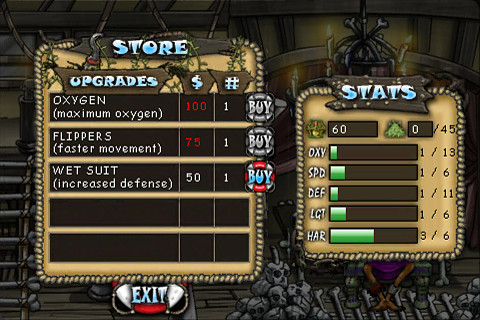
We also had a bunch of above ground areas, in the original concept, that the player was supposed to be able to walk around. They were really slow, didn't really serve a purpose and totally broke the flow of the game, but management said that we had to keep them. We cut out as much as we could, using tapping and scrolling, instead of the walking, to move through the areas. This shaved off a lot of extra time spent moving between diving and buying upgrades at the store.
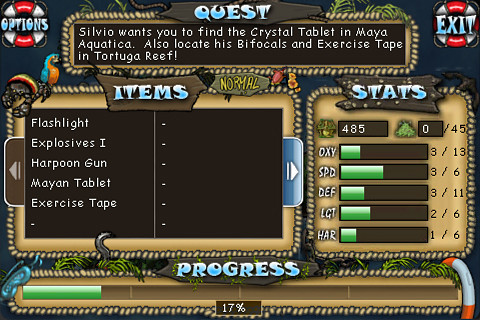
After some testing we decided that the player needed more to do above ground. We started looking at some of our other favorite games for inspiration. Sean and I are really big fans of Bioware's RPGs like Mass Effect and Dragon Age and after some talking with Russell Perkins (our UI designer) and Billy, we decided we would like to add a quest system to the game with multiple dialog options kind of like a Bioware RPG. Luckily another iPhone game that was being made at our company, had a pretty good dialog system that we were able to bring into our game to create the dialog trees and quests. We had a story for the game that was written by Todd Imus (a writer / game designer) who left really early in the creation of the game. We all really liked what Todd wrote, but it didn't really fit with the new quest system and branching dialog options. I worked with Billy to change the story to fit the new layout of the game. We spent a lot of time rewriting sections of the story and adding to it, to give purpose to all the strange items the player would be collection throughout the course of the game. After a while we had a rough, working build of the game, with quests and dialog that could be played beginning to end. Much later in the project we worked with Russell on improving the dialog, by adding humor and fixing some problems that arose from changes that had been made to some of the levels.
One of the really nice things about the way that Billy setup the game was that it was mostly data driven. There were many different XML files I could open and edit the values, to change things in the game without having to do a whole bunch of exporting and rebuilding. I was able to create different XML files for the three difficulties of the game, to make the game easier or harder. All of this made it so most of the problems that were found during testing went through me and I was able to fix them quickly and efficiently without having to distract other people on the team very often.
Designing the Levels
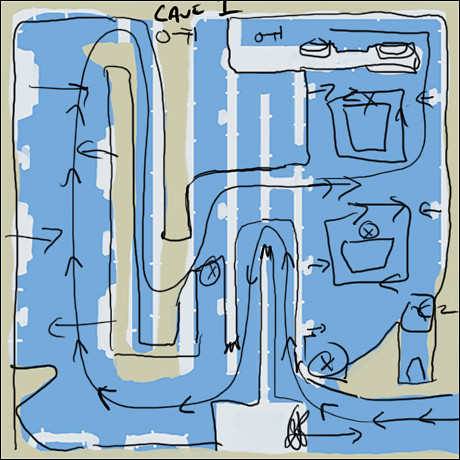
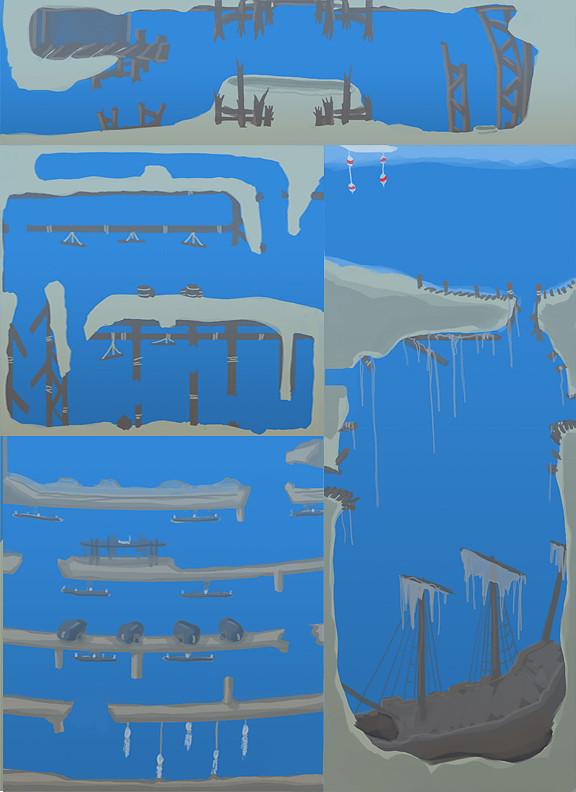
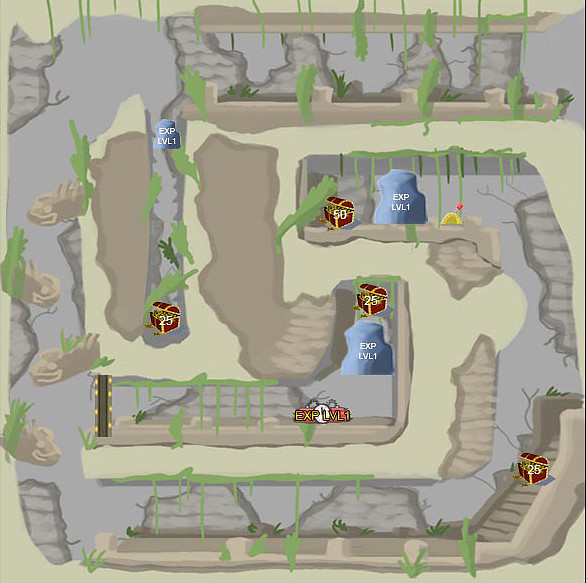
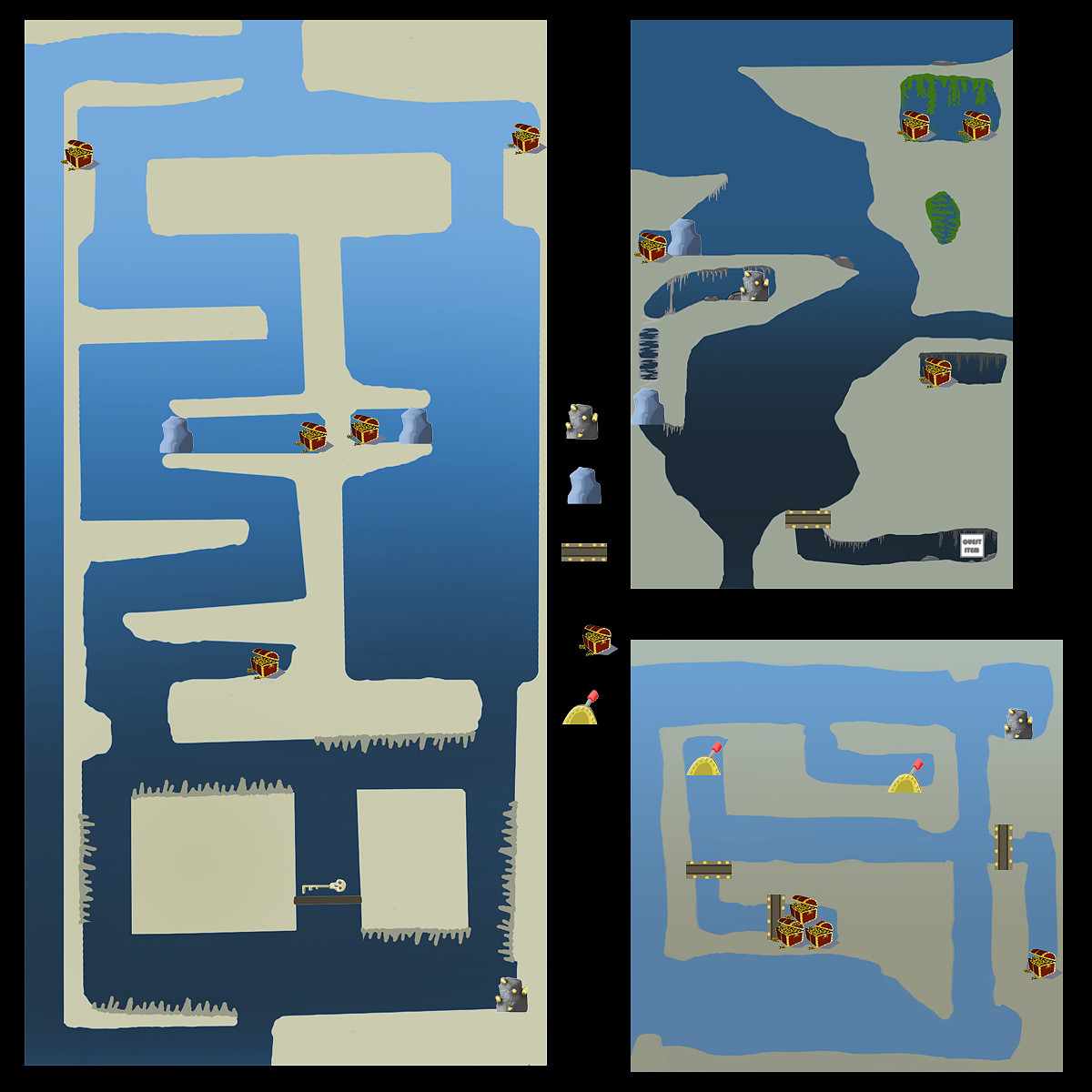
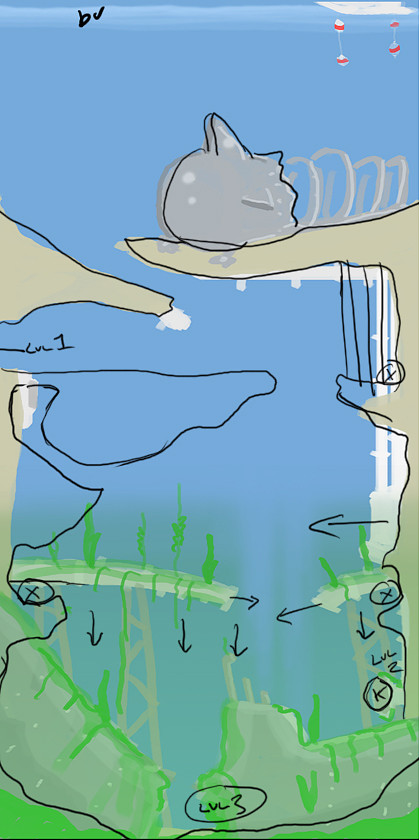
All that was just getting the game going, creating all 40+ levels was a whole other beast of a task, which took up most of my time on this project. Creating the levels was a joint effort between Sean and myself. The first thing that had to be done, was to come up with really basic representations of all the levels, that could be built upon. So I grabbed some paper and a pencil and started sketching out level ideas, puzzles, and item placements. Once I had some that I liked, I gave them to Sean and he blocked them out in Photoshop really quickly. Next Sean and I went over them, adding things and making changes. You can see example of a blocked out level with notes that Sean added as we talked about how the level would work. Then either Sean or I would take the blockout, drop it into our editor, and export it, so that we could swim around and see how the level felt.
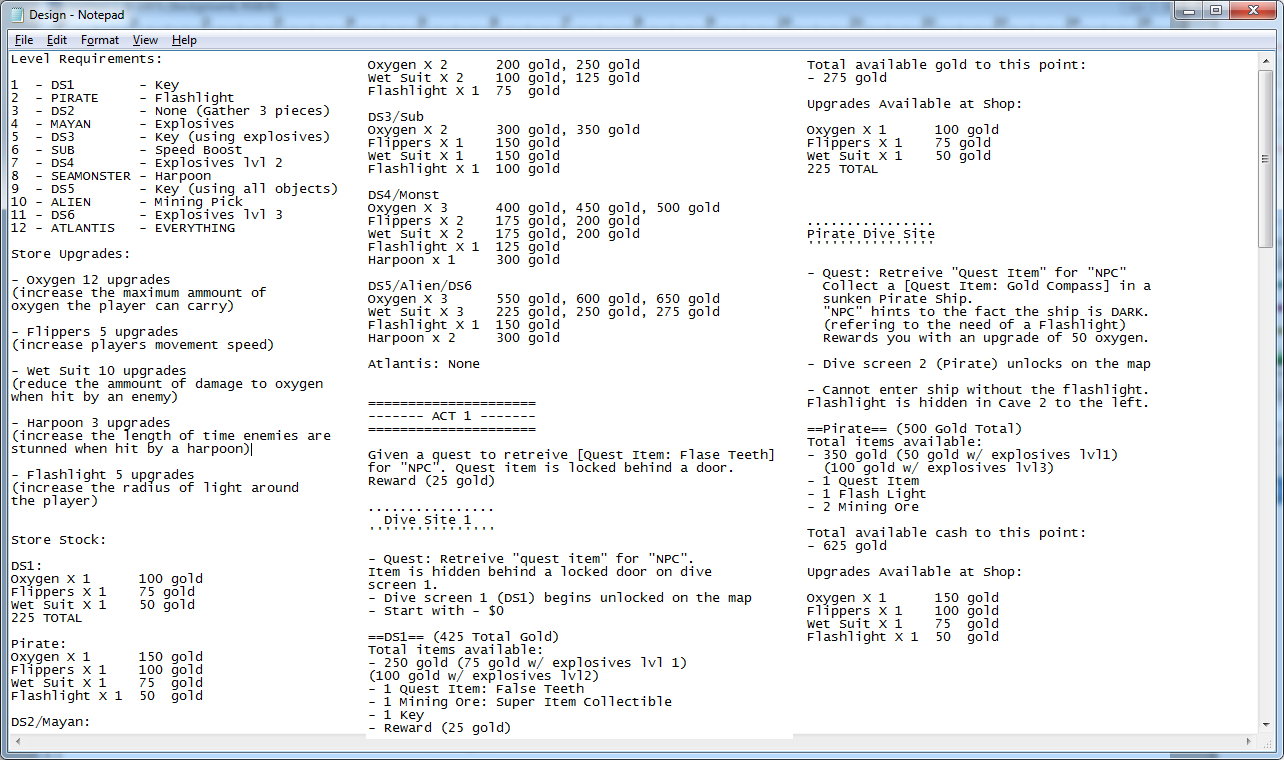
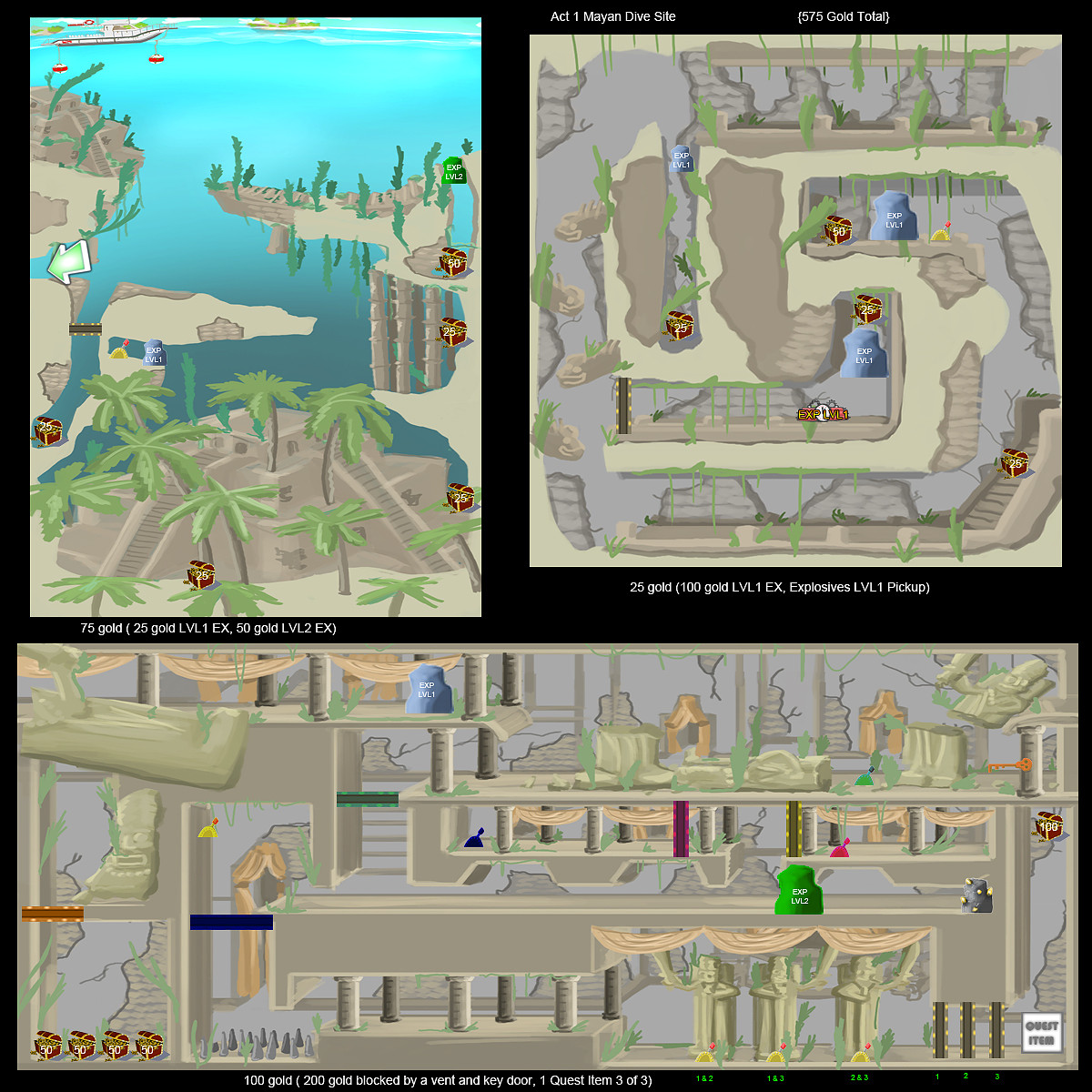
Once we did this for the whole game, my next task was to figure out everything that was going to be in the game. I made a document that had a list of all the quest items and upgrades the player would get and what levels they would be in. I also figured out all the prices of the purchasable upgrades in the shop and figured out exactly how much money the player would need by certain points in the game to buy what they need. I then took this information and divided up the required amounts of money across the levels and quest rewards. The image to the left is a piece of the document I made detailing this information.
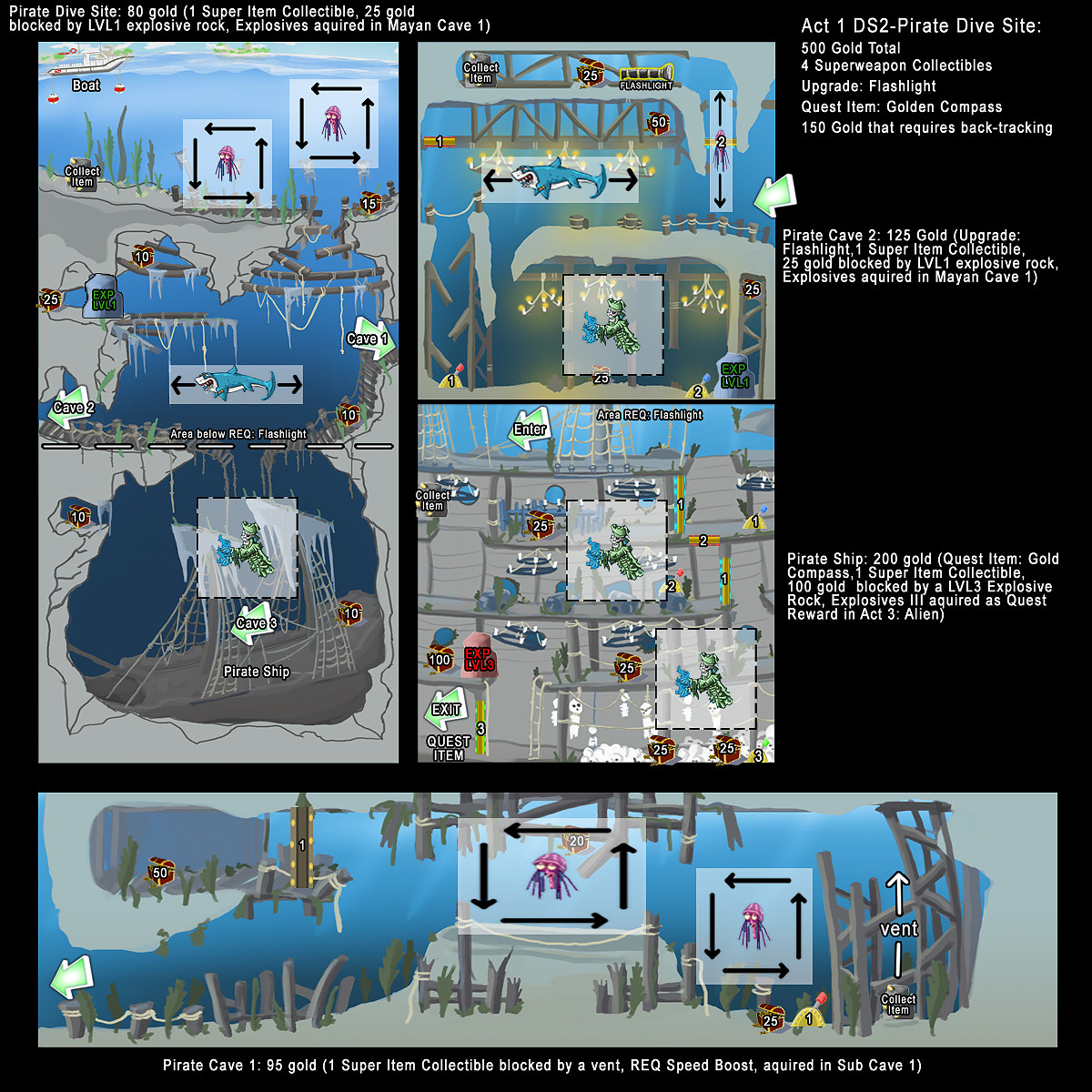
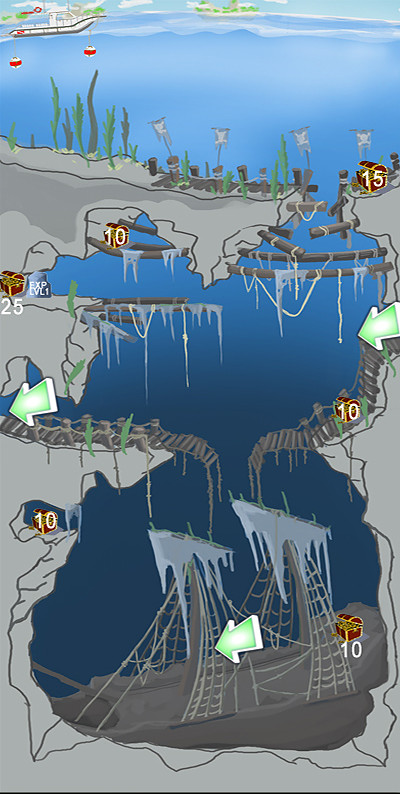
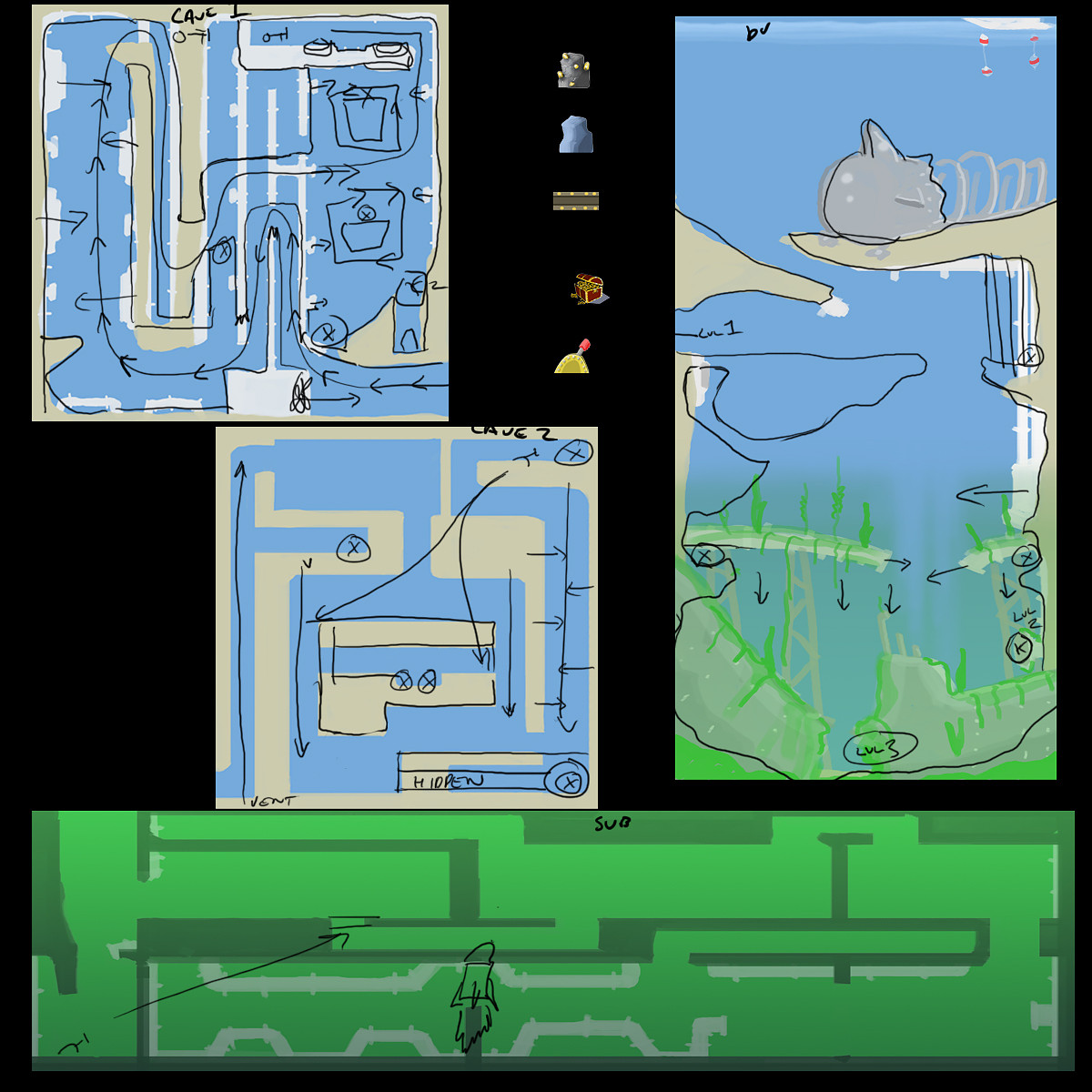
With all the level pieces laid out, I took the blockouts of the levels into photoshop and figured out where to place everything. I figured out where all the doors and switches would be and how each puzzle would work. I planned which treasures would be hidden or blocked, that the player would have to come back for later. After a lot of time planning everything out and making changes. I took our editor and started building all the levels for the game. The image to right is an example of a completed level layout for the Pirate Dive Site, known in game as Parrot Bay.

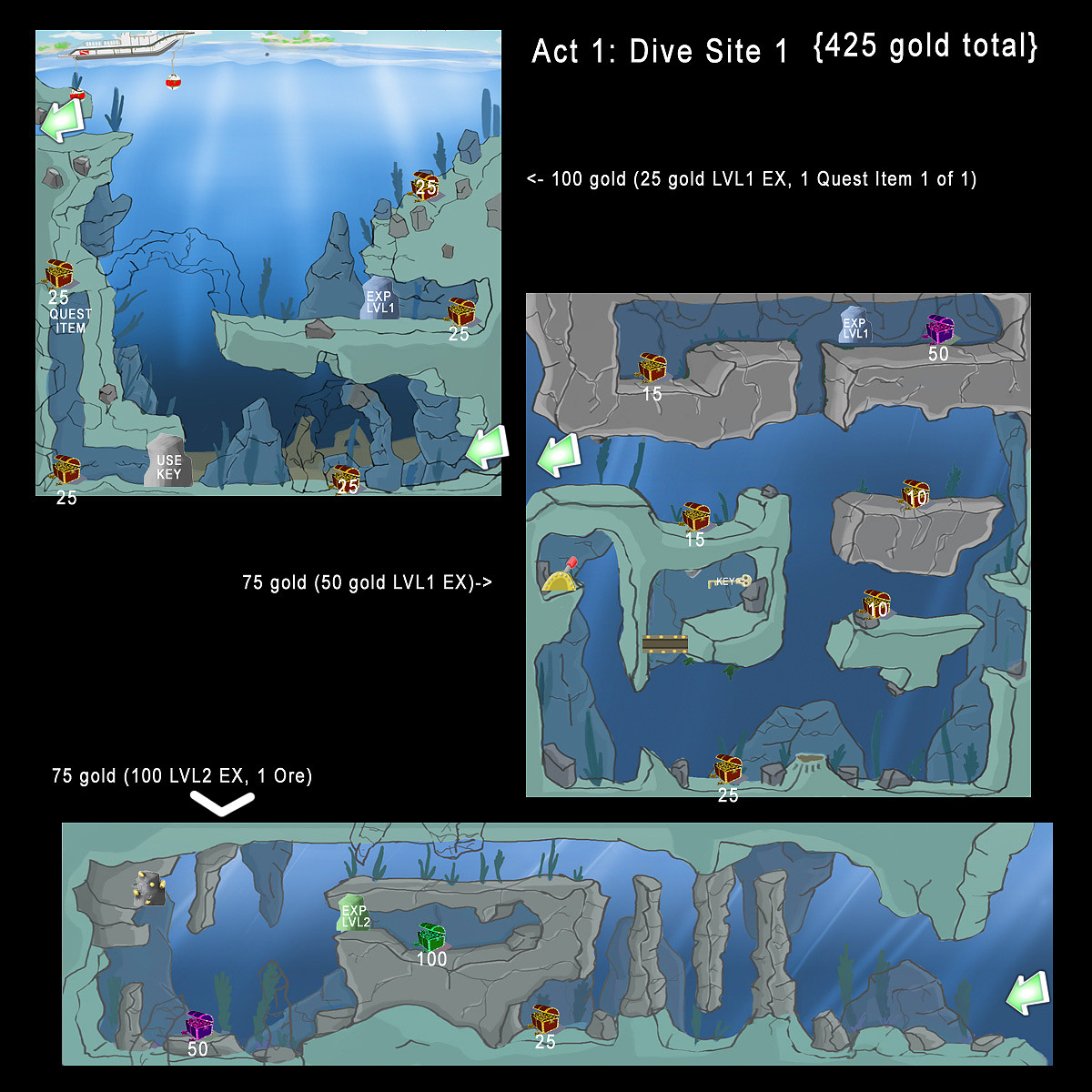
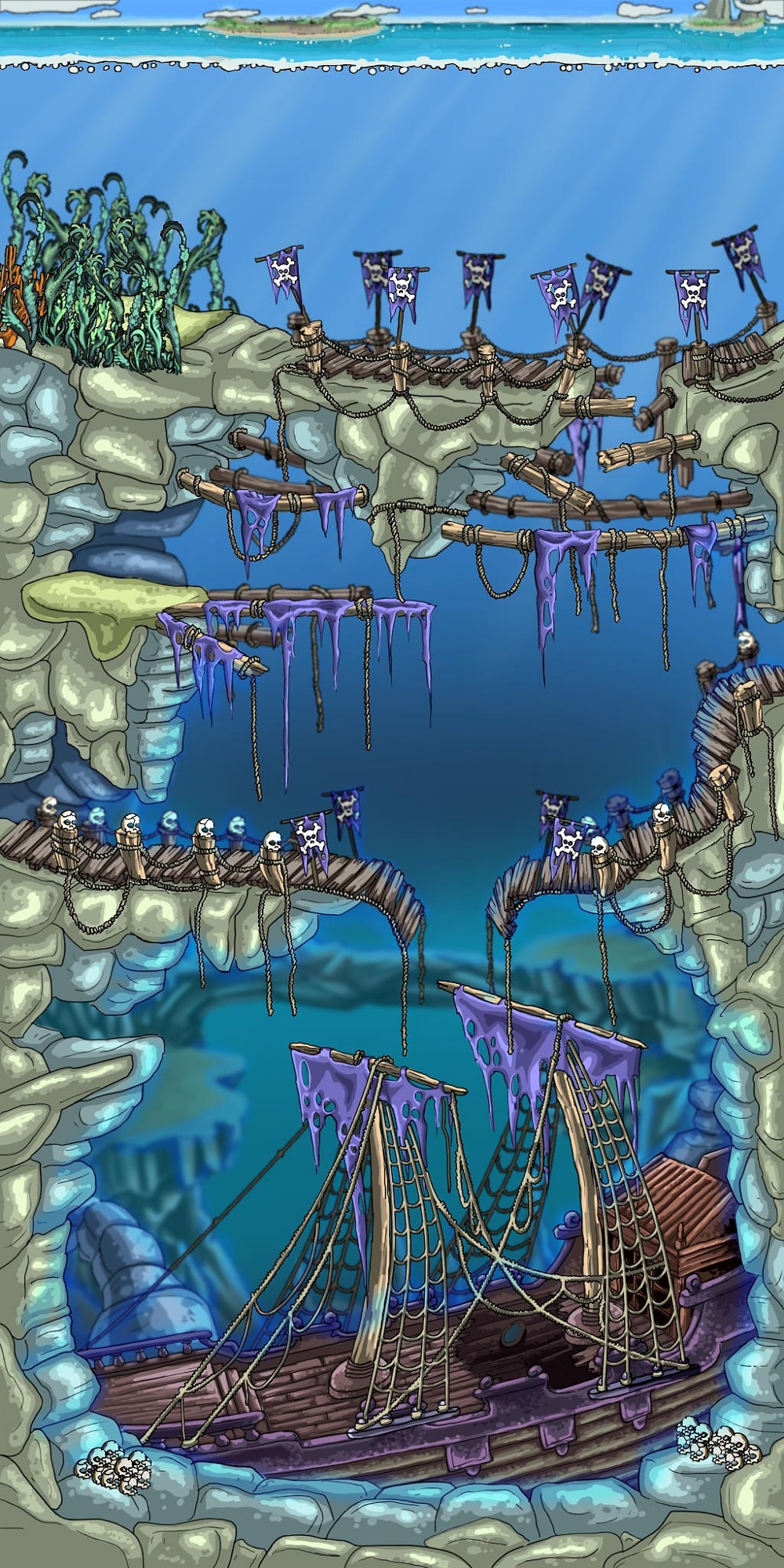
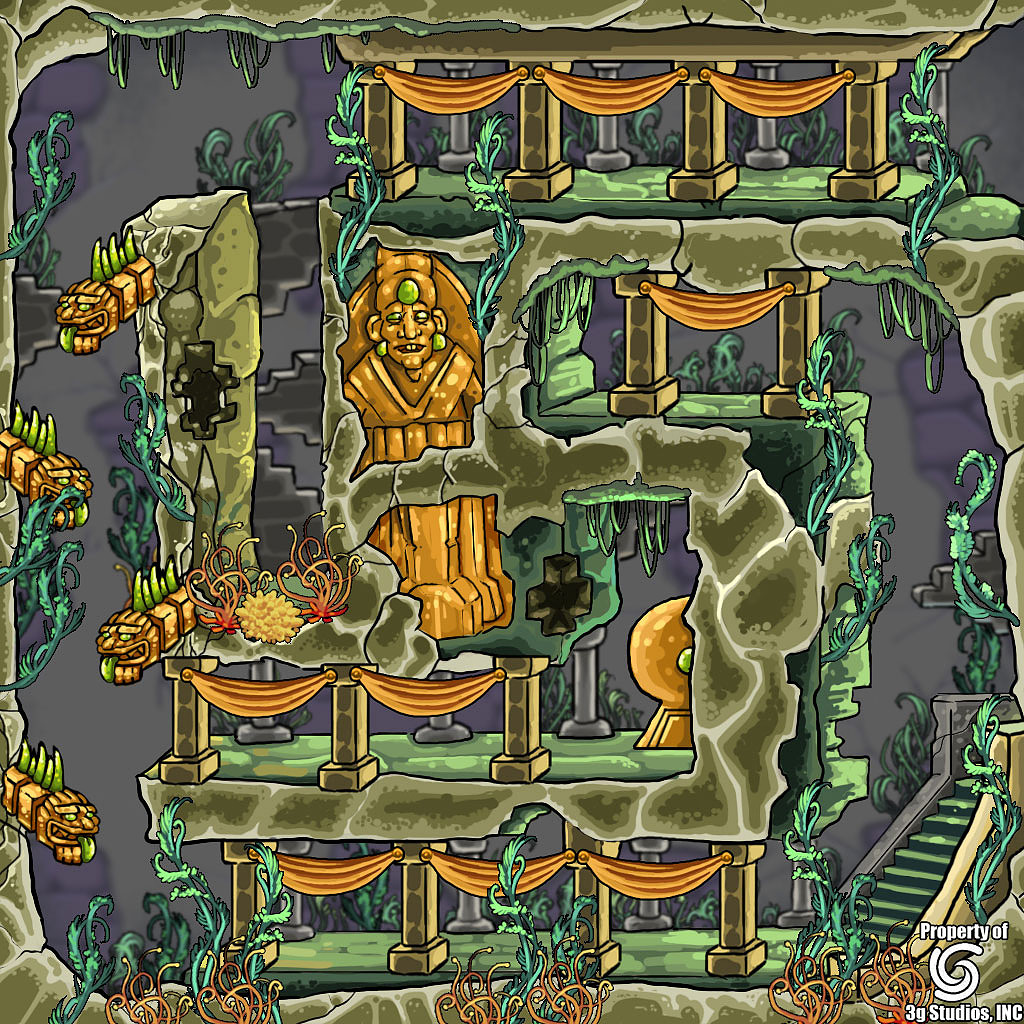
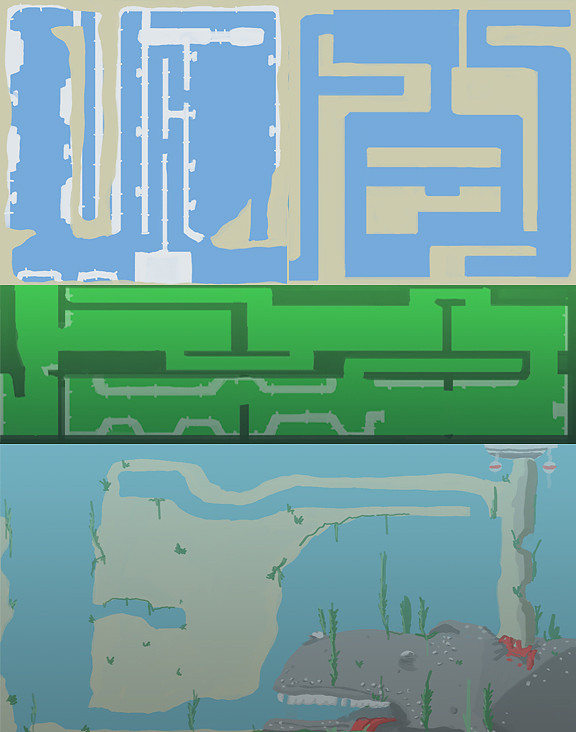
When building a level in the editor I would start by placing the background, middle ground and foreground layers in the correct order. The foreground layer consists of all of the parts of the level that player character, the diver, would pass behind while swimming around. The middleground is the main structure of the level. I would take the middleground layer and use it to create a black and white collision mask for the level. The collision mask determines the area of the level that the player is able to swim in. Sometimes there would be hidden areas and walls that could be swam through to reach secrets, much like old platformer games Sonic and Mario. The background was placed a the very bottom of the layer stack and set to move slower than the other layers, to create a parallax effect and the illusion of depth. The image on the left is a example of the multiple layers that make up a complete level.
Aside from obstacles for the player, I placed all of the collectable items the player would need throughout the game. Treasure was extremely important and had to be in every level, but not always in obvious places. Going back to the Metroid style of game, there needed to be treasure that the player would backtrack to get. There were treasures throughout the game requiring certain upgrades for the player to be able acquire them. Upgrades were placed at certain points, preventing a player's progression without them. Quest Items were placed throughout the game giving the player an objective on their dives and driving them forward with the story.
All of these things were the core of the game, but we wanted more. We wanted to give truly devoted players something special to achieve if they wanted to take the time to do it, but that was not required to beat the game. I placed a collectible item in the form of Ambergris (which is whale vomit, a valuable substance used in perfume) throughout the game. The ambergris started out as ore to be mined, but it just seemed boring and needed to be more humorous. Players did not receive a means of collecting the sticky pile of green goo that they had been seeing, until about half way through the game. Once they had the plastic sand castle bucket and shovel, they could travel back through the levels and collect all of the ambergris hidden throughout the game. They could then take it all back to the NPC they received the Ambergris Collector from and trade it for a super item of their choice. A Super Harpoon Gun that stunned enemies forever, A Super Wet Suit that protected the player from taking damage or a Super Oxygen Tank that never ran out of air. They could also take their Super Weapon of choice into their next playthrough of the game and possibly collect all three upgrades after three playthroughs.
While I was doing all this, I was constantly working with Sean, to make sure the levels functioned well with the art that he was creating. We worked really well together and both had complete confidence in each other's abilities. I new Sean would come up with the most bad ass, crazy art I'd ever seen and he knew that I would expertly construct the game to be as fun, fresh, and as exciting as possible, within our limitations and deadline.
It was the wildest four months of my life and an amazing experience. It was really interesting to see a broken, simplistic and boring game evolve into something that feels, to me, like it could have been AAA game made by a huge company. It will hold a special place in my heart for the rest of my life. It was my team's project, our brain child, that we poured everything we had into, making it a game we could be proud of. There's always more things that you think of, that you wished you could have added, but I'm still amazed at what we were able to accomplish with the amount of resources and time we had.
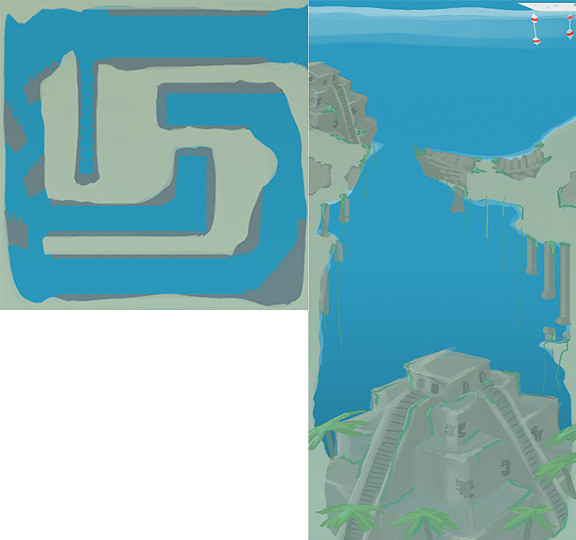
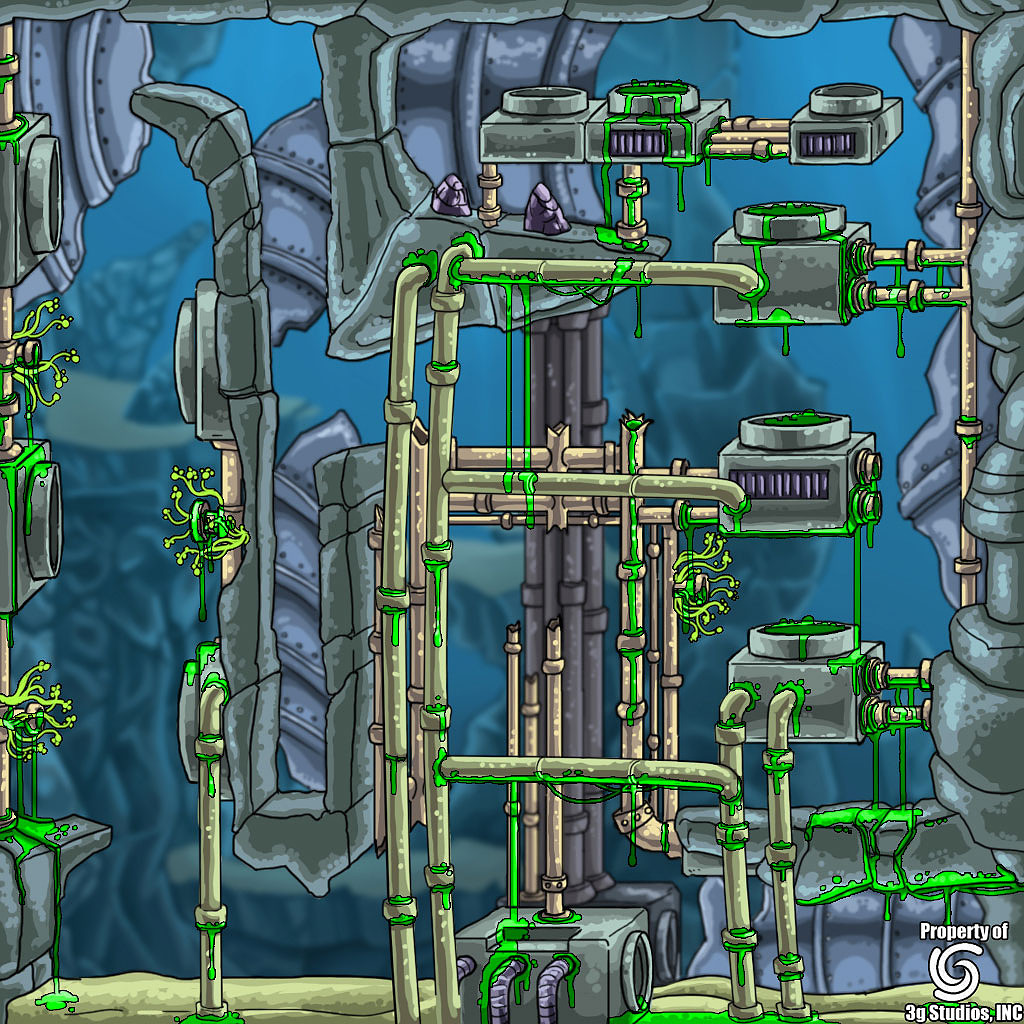
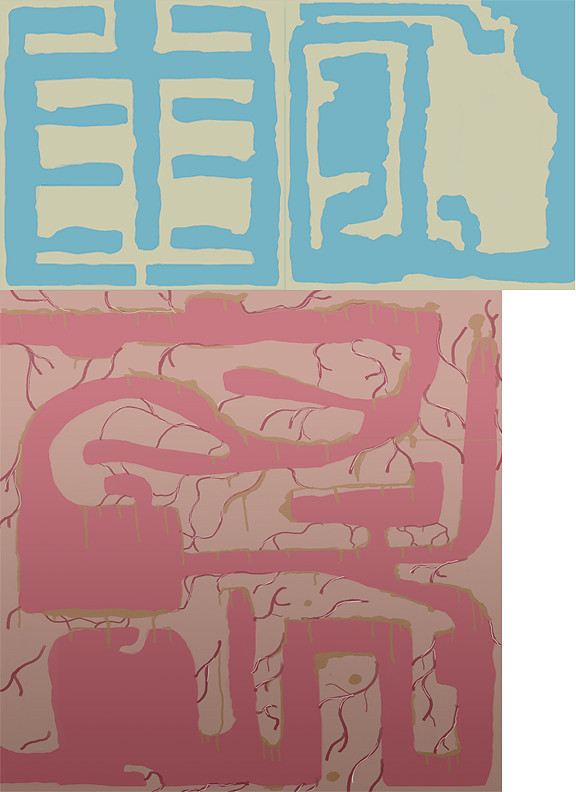
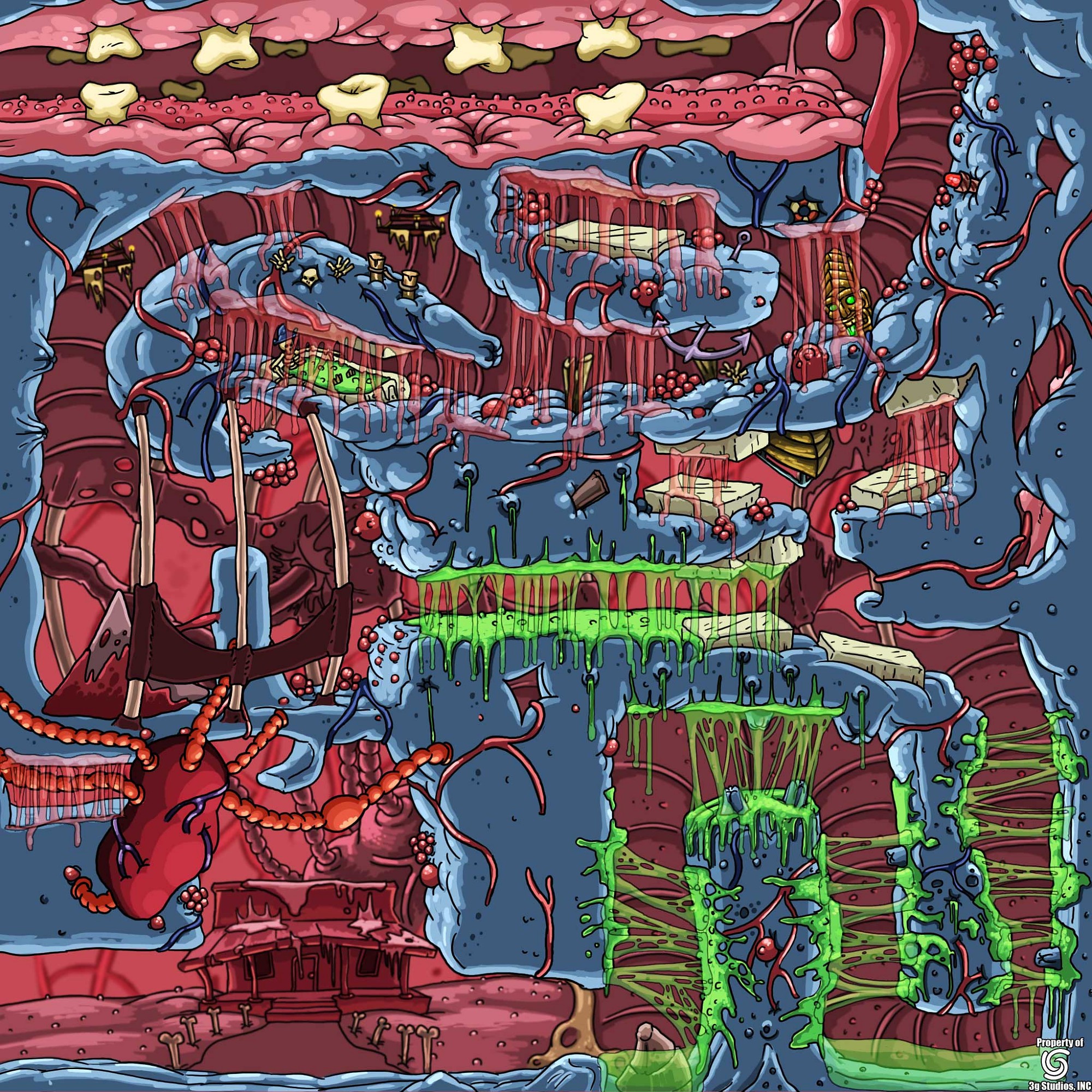
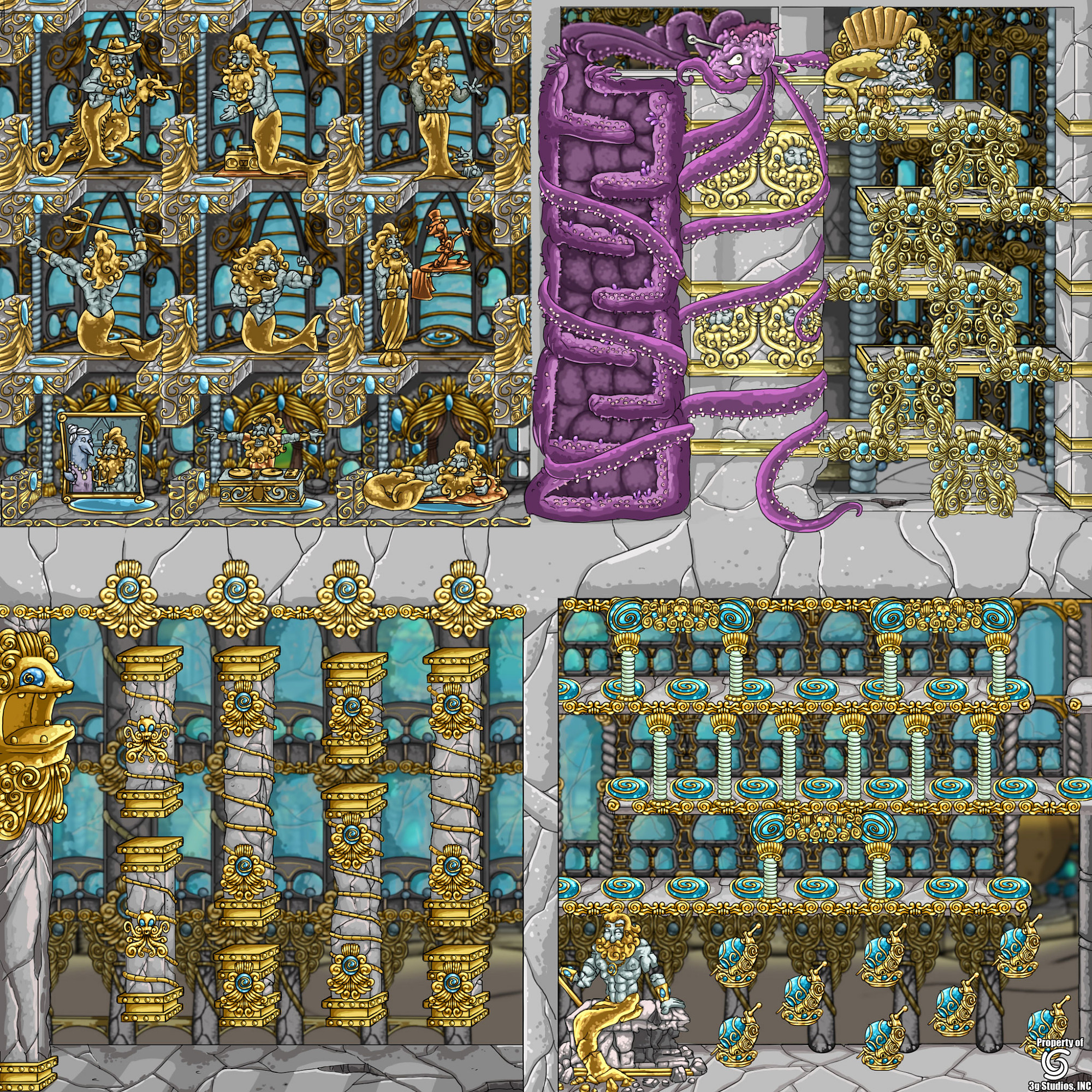
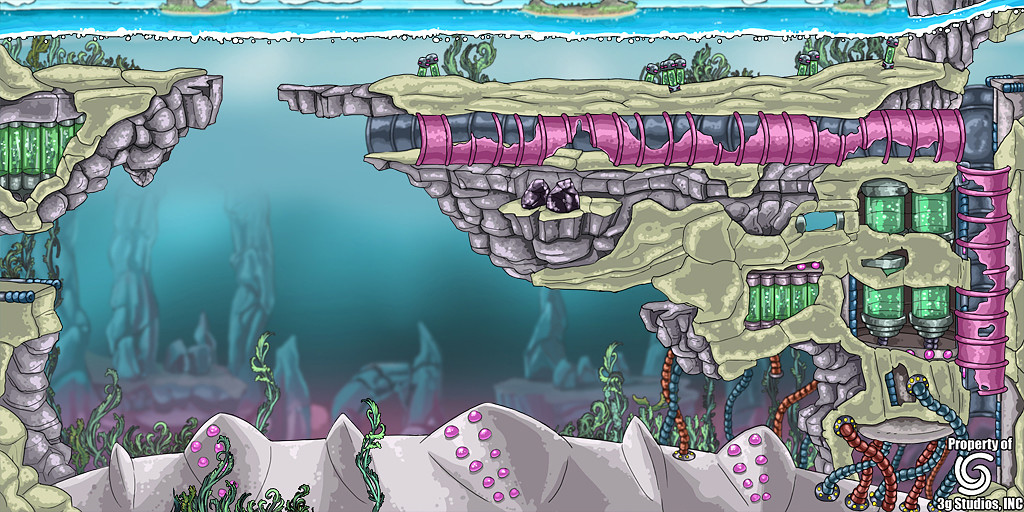
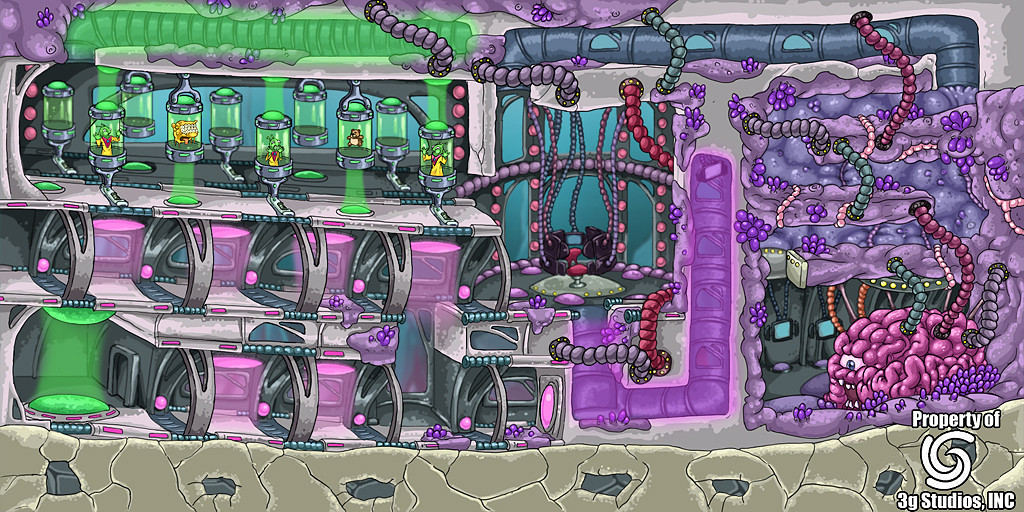
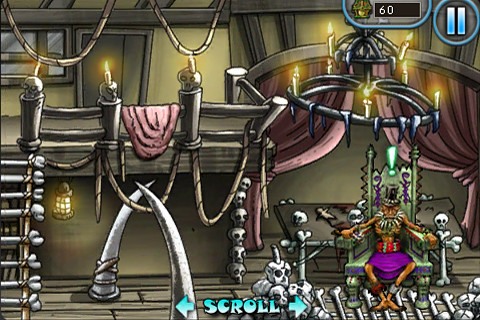
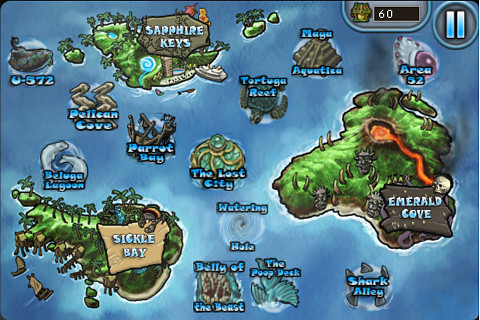
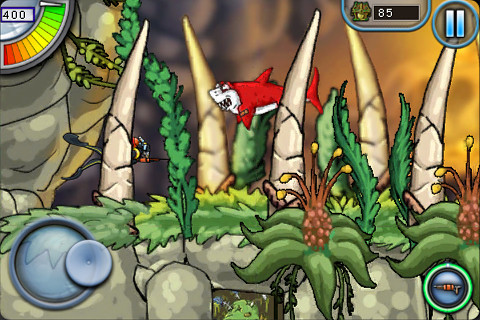
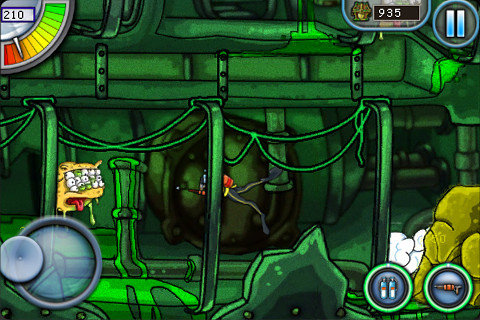
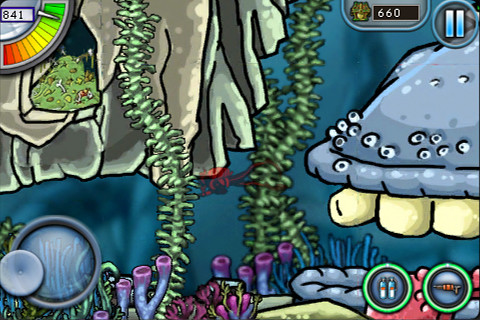
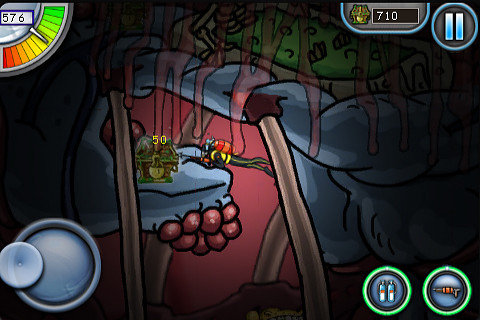
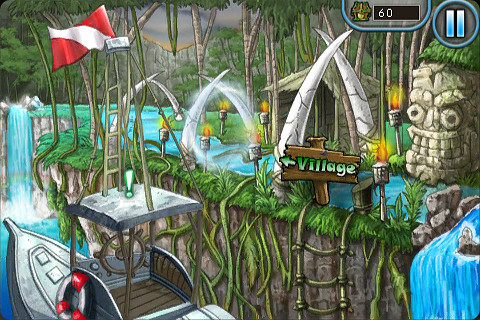
Below is a gallery of different levels of the game at various stages of completion and some screenshots of the completed game. There is also a video of the game in motion embedded at the bottom of the page.








Rights to 'The Deep' are owned by 3G Studios Inc.© 2009
http://www.rocketpowered.com/thedeep/
Matt Smith - 2010 - Do Not Copy or Reproduce Without Permission